

「国旗の色を守るべきだ」政治問題にもなったブラジル代表の「赤ユニホーム」は破棄されて「黄と青を継続」とCBF会長が明言!/THE DIGEST編集部
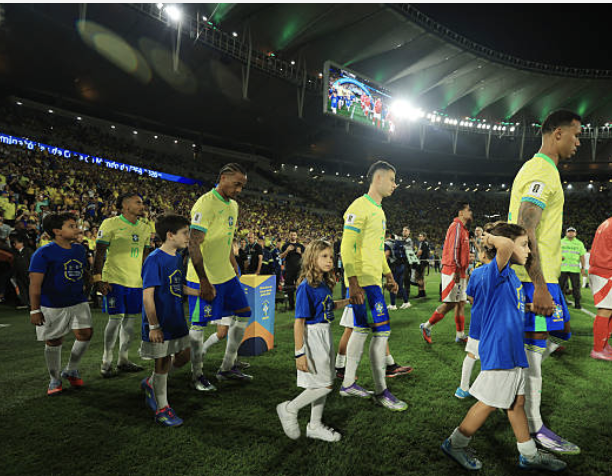
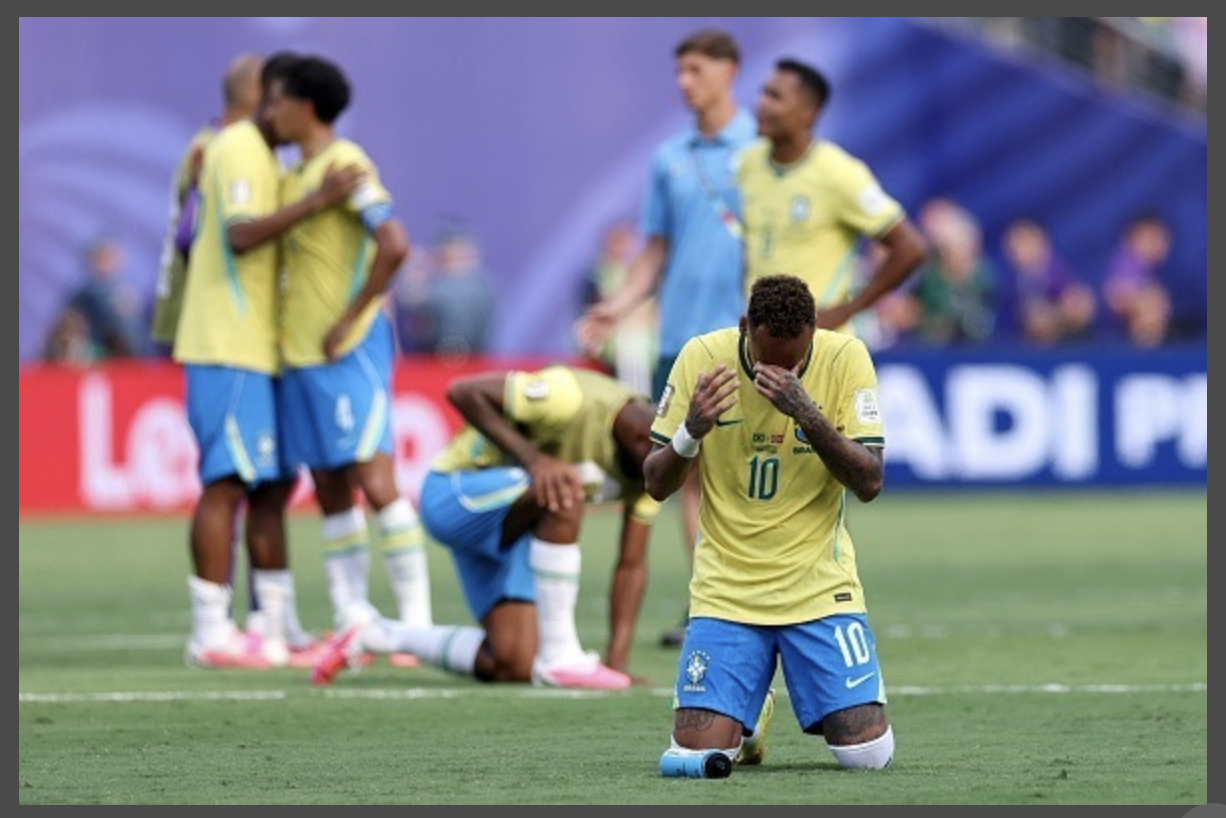
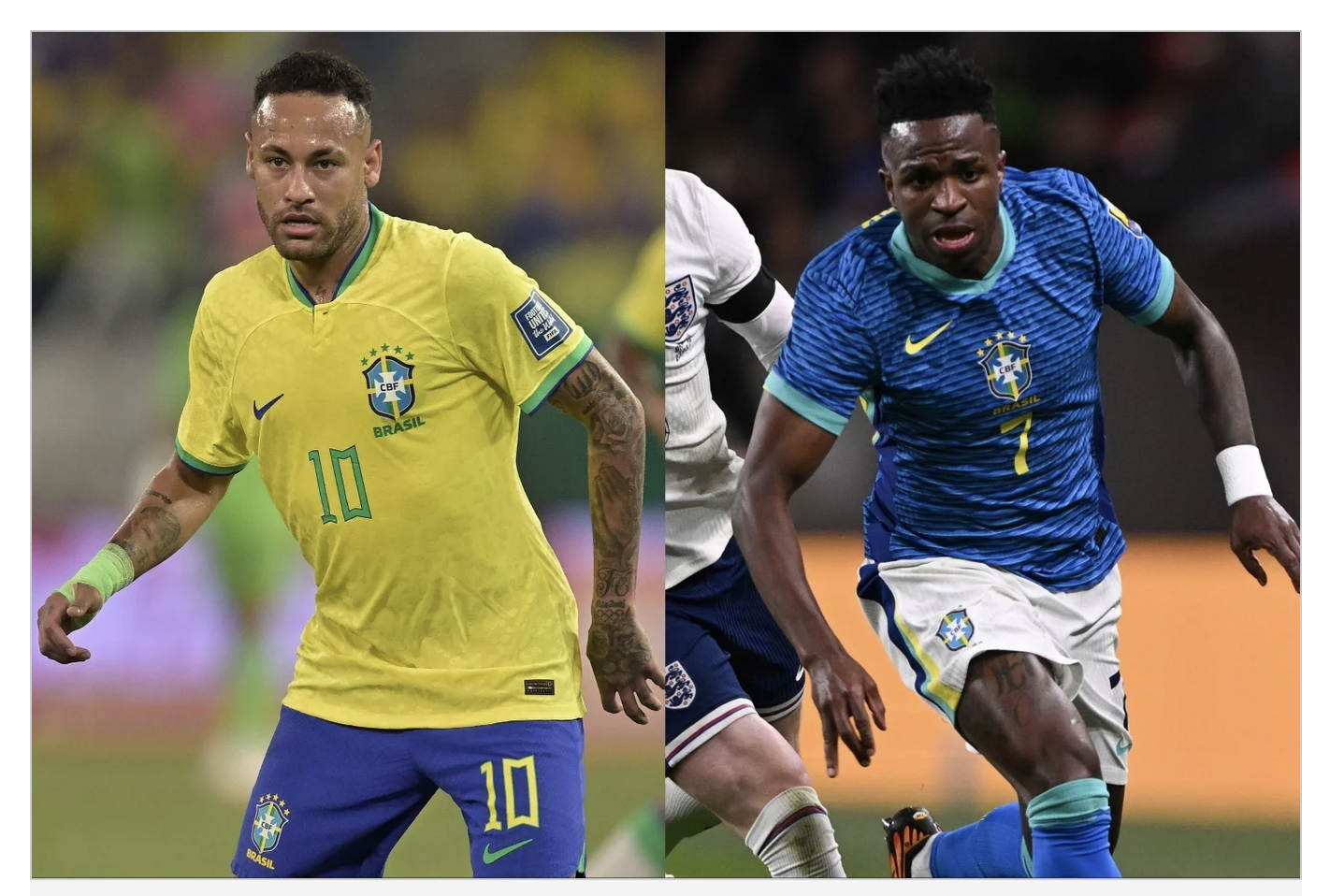
「カナリア軍団」のニックネームを持つブラジル代表のユニホームといえば黄色、そしてセカンドは青というのが長年定着した“常識”だった。だからこそ、来年春に「赤」のユニホームが登場し、北中米ワールドカップで「セカンドユニホーム」として使用されるとのニュースは、大きな物議を醸した。
この衝撃的なニュースは、今年4月にユニホーム専門サイト『Footy Headlines』から発せられた。ブラジルの総合メディア『Globo』は、新ユニホームについて「やや色褪せた赤を基調とし、黒の縞模様が加わるが、それはむしろ斑点のように見える。パンツにも同じ形式で色が施され、上下続きのデザインとして全体が統一されている」と伝えていた。
ユニホームサプライヤーである「ナイキ」のロゴに、「マイケル・ジョーダンを象徴するシルエットが使用される」という変更点はさておき(黄色ユニのロゴはそのまま)、「セレソン」が全くイメージとは異なる「赤」を採用する件には、多くの批判の声が寄せられた。
これは昨年、ブラジル・サッカー連盟(CBF)によって決定したもので、批判の理由については、赤い星を党章とするブラジルの政党「労働者党」との関連が囁かれるなど、政治問題としても国内では取り上げられ、大きな問題となっていた。
しかしこのたび、CBFのサミール・シャウド会長は、すでにナイキとの協議によって、赤ユニホームの製造を停止し、来夏のW杯ではこれまで通り、黄と青の2パターンを採用すると明言した。『Globo』が8月19日付の記事で報じている。
前会長のエドナルド・ロドリゲス氏によって赤ユニホームが承認された後、今年5月に同氏が解任され、5月25日に現在のシャウド会長が後任に着いた。そして、数日後にナイキと緊急会合を行なうと、その時点でナイキはすでに赤ユニホームの生産を開始していたという。
シャウド会長は、「繊細な問題だった。多くの人々がこの件を政治的な側面に結び付けてしまった。私はブラジル国旗の色という観点で考えた。黄、緑、青、白は我々の国旗の色であり、それを守るべきだと。私は赤に反対したが、政治的な理由ではない。個人的に、赤は好きになれなかった。すでに生産は始まっていたが、私はナイキに止めるよう依頼した」と語っている。
会長の要請を受け入れたナイキは、新たに青モデルの製作を決定。これが来夏のW杯でセカンドユニホームとして使われる。会長は、「ナイキは我々の事情を理解してくれるとともに、すぐに新しいユニホームの生産を開始した。これについて言えるのは、非常に美しいデザインだということだ」と太鼓判を押す。
そして会長は、黄色のユニホームについても、「政治的な議論はピッチに持ち込んではならないし、代表チームに干渉してはならない。この政治的な問題、赤ユニホームの議論が起こる前は、誰もが黄色を着ていた。我々は政治ではなく、サッカーを通じてサポーターを取り戻さなければならない」と主張している。
さてセレソンのユニホームといえば、自国開催となった1950年W杯のマラカナンの悲劇を忘れるために、それまでの白から、現在の黄色に変更されたのは有名な話である。2023年6月のギニア戦(親善試合)で人種差別撲滅を訴えるために、史上初めて上下ブラックのユニホームを着用したが、長く代表チームのカラーは定着している。
そのうえで『Globo』は、自国代表チームが過去に、黄色や青以外のカラーを採用したケースがあったと紹介。1916年の第1回コパ・アメリカでは「緑と黄色のストライプ」を着用し、翌年の第2回大会ではウルグアイ戦とチリ戦では、同色だったため抽選で「赤」を着用した。
1937年大会では、ペルー戦で白ユニホームの優先権を奪われたため、開催国アルゼンチンのクラブ、インデペンディエンテのユニホームを借用。同様のケースでは、同大会のチリ戦でボカ・ジュニオルスのユニホームを使用し、それ以前の1919年には、ウルグアイ戦(親善試合)で逝去した相手GKへの追悼の意味で、同選手が所属していたペニャロールのユニホームを身に纏った。
なお、セカンドの青については、初の世界制覇を果たした1958年W杯決勝で、開催国でもあったスウェーデンに黄色の優先権を譲り、カラーを変更したのが最初だと言われているが、それは事実と異なる。その20年前のフランス大会で、ブラジルはすでにポーランド(白)との被りを避けるため、急遽、水色に近い青を使用していた。当時はあまりにも急な変更で、連盟のロゴを縫い付ける時間もなかったという。
構成●THE DIGEST編集部
——————————————————————————————-
The Brazilian national team, known by the nickname “Seleção Canarinho” (Canary Squad), has long been associated with yellow for its home kit and blue for its away kit — a tradition so deeply rooted it is considered common sense. That is why the news that a “red” uniform would debut next spring, to be used as the second kit at the North and Central America World Cup, sparked major controversy.
This shocking news first came to light in April through the uniform-specialized website Footy Headlines. Brazilian media outlet Globo reported that the new kit would feature a “faded red base with black stripes that appear more like spots. The shorts would carry the same pattern, giving the full set a uniform look.”
Aside from the fact that Nike’s logo would be altered to use the silhouette symbolizing Michael Jordan (the yellow kit would keep the standard logo), the adoption of “red” — a color so far removed from the Seleção’s traditional image — triggered widespread criticism.
The decision had been made last year by the Brazilian Football Confederation (CBF), and the criticism was further fueled by speculation linking the red to the Workers’ Party, whose emblem features a red star. The issue even escalated into a political debate within the country.
However, CBF president Samir Shaud has now confirmed, after consultations with Nike, that the production of the red kit has been halted. He stated clearly that for next summer’s World Cup, Brazil will continue with the traditional yellow and blue kits. This was reported by Globo on August 19.
The red kit had been approved under former president Ednaldo Rodrigues, who was dismissed in May. Shaud assumed office on May 25, and soon after held an emergency meeting with Nike, who had already begun production of the red uniforms at the time.
Shaud explained:
“It was a delicate issue. Many people linked it to political aspects. I thought about it from the perspective of the national flag. Yellow, green, blue, and white are our national colors, and they must be preserved. I opposed red, but not for political reasons. Personally, I just did not like it. Even though production had already begun, I asked Nike to stop.”
Nike accepted his request and decided to produce a new blue model, which will serve as the second kit at the upcoming World Cup. Shaud praised the design, saying:
“Nike understood our situation and immediately began producing the new kit. All I can say is that it is a very beautiful design.”
He also emphasized the importance of keeping politics away from the pitch:
“Political debate must not interfere with the national team. Before this issue over the red kit arose, everyone wore yellow without question. We must regain the support of fans through football, not politics.”
As is well known, Brazil switched from white to yellow after the heartbreak of the 1950 World Cup final at the Maracanã, a change meant to move past that tragic memory. In June 2023, the team wore an all-black kit for the first time in history, during a friendly against Guinea, as a stand against racism. Yet overall, the team’s colors have remained consistent for decades.
Globo also pointed out that Brazil had, on rare occasions, worn other colors:
- At the first Copa América in 1916, the team wore green-and-yellow stripes.
- At the second edition in 1917, Brazil wore red against Uruguay and Chile after drawing lots due to color clashes.
- In 1937, when Peru claimed priority for white, Brazil borrowed the kit of Argentine club Independiente. In the same tournament, they used Boca Juniors’ kit against Chile.
- In 1919, they honored a deceased Uruguayan goalkeeper by wearing the uniform of his club, Peñarol, during a friendly.
As for the blue kit, it is often said that Brazil first adopted it at the 1958 World Cup final against Sweden, when they ceded priority on yellow. However, this is not entirely true: 20 years earlier, at the 1938 World Cup in France, Brazil had already used a light blue kit against Poland to avoid a clash with Poland’s white kit. The change was so sudden that there was no time to sew on the federation crest.
—————————————————————————
Reference source:THE DIGEST https://thedigestweb.com/football/detail_2/id=100976
今回の話題の要約—–
🇧🇷 ブラジル代表ユニホームにまつわる“赤騒動”とは?
ブラジル代表といえば「黄色のシャツ+青のパンツ」が世界的に有名。国旗の色(黄・緑・青・白)をまとった姿は「カナリア軍団」の象徴です。ところが、2024年春に「赤いセカンドユニホーム」が登場するとの報道があり、大きな議論を巻き起こしました。
🔴 赤ユニの登場と批判
- デザインは「色褪せた赤+黒の模様」。
- ナイキがすでに製造を始めていた。
- しかし、赤はブラジルの政党「労働者党」の象徴色でもあり、サッカーに政治を持ち込む懸念から国内で大きな反発が起きたのです。
🟡🟦 会長交代と決断
新しく就任したCBF(ブラジルサッカー連盟)会長は、
「国旗の色を守るべき。サッカーは政治ではなく、人々をひとつにするためのもの」
と発言。赤ユニの製造は中止され、伝統の「青」がセカンドユニホームとして復活することになりました。
🧵 歴史的な“例外ユニ”
実はブラジル代表が黄色や青以外を着たことは過去にもあります。
- 1917年コパ・アメリカ → 赤のユニ着用(色の重複回避)。
- 1937年 → 対戦国の都合で、アルゼンチンのクラブのユニを借用。
- 2019年 → 黒ユニで人種差別反対を訴える。
しかし「赤」を正規ユニとして導入するのは近代では初の試みだったため、特に物議を醸したわけです。
✨ 文化的な意味
ブラジル代表のユニホームは単なるスポーツウェアではなく、国旗や歴史、社会の象徴でもあります。だからこそ色の変更は「デザイン」以上に「国民のアイデンティティ」に直結し、激しい議論を呼ぶのです。
こうして“赤騒動”は幕を閉じ、2026年北中米ワールドカップでは、再びおなじみの「黄」と「青」のセレソンが見られることになりました。